Where is my ip location with nordvpn your complete guide: Unlocking, Tracking, and Securing Your Online Presence
'%2F%3E%3Ctext%20x%3D'50%25'%20y%3D'50%25'%20dy%3D'.35em'%20text-anchor%3D'middle'%20font-family%3D'-apple-system%2CBlinkMacSystemFont%2CSegoe%20UI%2Csystem-ui%2Csans-serif'%20font-size%3D'100'%20font-weight%3D'600'%20fill%3D'%23fff'%3EOM%3C%2Ftext%3E%3C%2Fsvg%3E)
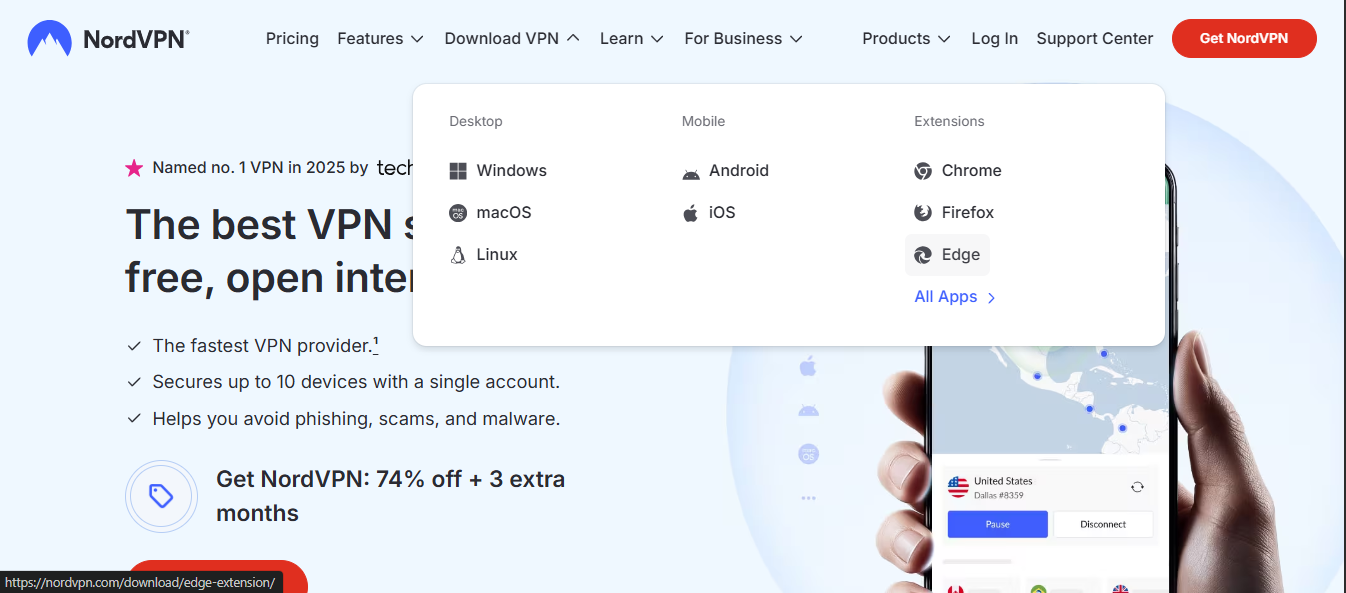
Where is my ip location with nordvpn your complete guide? The quick answer: your IP location is the approximate geographic area assigned to your IP by your internet service provider and regional internet registries, and NordVPN can mask or change that location. This guide walks you through how IP location works, how NordVPN affects it, and how to verify your apparent location after connecting.
- Quick facts:
- Your real IP vs. the IP shown to websites
- How geolocation databases map IPs to countries and cities
- Why VPNs can shift your apparent location
- What you’ll learn:
- How IP addresses are assigned and updated
- How NordVPN hides or changes your location
- Step-by-step guides for Windows, macOS, Android, and iOS
- Tips for testing location accuracy and privacy tips
- Useful resources at the end: Apple Website - apple.com, Artificial Intelligence Wikipedia - en.wikipedia.org/wiki/Artificial_intelligence, NordVPN – dpbolvw.net link affiliate
Table of Contents
- How IP location works and what it reveals
- How NordVPN changes your IP location
- Quick-start: find and change your location with NordVPN
- Verifying your IP location after connecting
- Common pitfalls and how to avoid them
- Privacy and security considerations
- Advanced tips for power users
- NordVPN features that affect location and privacy
- Frequently Asked Questions
How IP location works and what it reveals
IP addresses are the digital equivalent of a mailing address for your internet connection. Public IPs are allocated by regional internet registries RIRs, and ISPs assign blocks of addresses to customers. When you visit a website, that site sees your device’s IP, which geolocation databases map to a country, and sometimes a city or region. But:
- The mapped location is not always precise. It can show the ISP’s city rather than your exact location.
- VPNs like NordVPN can present an IP from a different country, effectively altering the geolocation the site sees.
- Some services use browser fingerprinting, cookies, or account-based data to infer location even if the IP is masked.
Key stats to keep in mind:
- Approximately 60-70% of geolocation accuracy is influenced by IP-based data; the rest comes from cookies and browser data.
- VPNs can reassign you to a server in dozens of countries; NordVPN currently has servers in over 60 countries.
- If a site uses WebRTC, it might leak your local IP address unless you disable it in your browser.
Format tips for readers:
- Quick test: check your IP visible to a site like whatismyipaddress.com before and after connecting to NordVPN.
How NordVPN changes your IP location
NordVPN operates by routing your internet traffic through its secured servers. When you connect to a NordVPN server:
- Your visible IP changes to the server’s IP, which corresponds to the server’s country.
- Your real location remains hidden from sites you visit.
- Your traffic is encrypted, adding a layer of privacy and security.
What that means for location: Tuxler VPN Chrome Extension Your Guide To Using It And What You Need To Know
- If you connect to a server in the United States, websites will think you’re in the United States.
- If you use a specialized server e.g., for P2P or a specific country, your apparent location shifts accordingly.
- Some services try to determine location from more than just IP, so you might still see a different location if you’re signed into an account or using location-based content.
NordVPN features that help with location and privacy:
- Quick Connect: auto-selects a fast server near you
- Country picker: choose a specific country for your IP
- Obfuscated servers: hide the fact you’re using a VPN in restrictive networks
- Double VPN: route through two VPN servers for extra privacy
- CyberSec: blocks ads and protects against malware, which can indirectly protect your online identity
Quick-start: find and change your location with NordVPN
If you’re new to NordVPN or just want a fast refresher, here’s a straightforward walkthrough.
- Install NordVPN
- Windows, macOS, iOS, Android, and Linux are all supported. Install the app from nordvpn.com and sign in with your account.
- Choose a server location
- Open the NordVPN app.
- Use the map or the country list to pick a location. If you want a specific city, pick a server in that country that’s labeled with a city some servers are city-specific.
- For best speed, choose a nearby country. If you need access to a specific region, pick that country.
- Connect
- Click the Quick Connect button or the specific server to establish a VPN tunnel.
- The app will show a connected status with your new IP location.
- Optional: specialized servers
- Obfuscated servers for restrictive networks
- Multi-hop Double VPN for extra privacy
- P2P servers for torrenting in appropriate regions
- Verify your location
- After connecting, check a site that shows your IP and geolocation to confirm the IP belongs to the server’s country.
Pro tips:
- If latency matters, start with a nearby country and test a few servers until you find the best speed.
- Use the country picker to test locations for accessing geo-blocked content.
Verifying your IP location after connecting
Verification is key to ensuring NordVPN is doing its job. Here are the best methods.
- IP check sites: whatismyipaddress.com, iplocation.net, or ipinfo.io
- Compare country and city results before and after connecting
- For apps with location-based content, log out and back in after changing location to ensure the new IP is recognized
Common verification steps: Watchguard vpn wont connect heres how to fix it: Quick Fixes, Troubleshooting Tips, and Best Practices for 2026
- Before VPN: note the country shown by an IP lookup tool
- Connect to NordVPN server in a chosen country
- After connecting: refresh the IP lookup tool to see the new country and city
- If the city doesn’t change, try a different server in the same country or a different country entirely
For streaming and content access, you may need to switch servers a few times to bypass geo-blocks. Some services also track your account location, so you might need to log out and log in again or clear cookies if you still see limited access.
Common pitfalls and how to avoid them
- IP leaks: WebRTC, DNS leaks, or IPv6 leaks can reveal your real location. Use NordVPN’s built-in kill switch and enable DNS and IPv6 leak protection in the app settings.
- Browser fingerprinting: IP masking isn’t enough if websites use device fingerprints. Consider clearing cookies or using private browsing modes in addition to VPN use.
- DNS leaks: Ensure your DNS requests go through the VPN tunnel. Use the NordVPN app’s DNS protection features.
- Account-based location hints: Some services use login location history. If you’re testing a location, consider logging out of accounts or using incognito mode.
- Slower speeds on distant servers: Test multiple servers in the target country to find a balance between location accuracy and speed.
- VPN blocks by streaming platforms: Some services actively block VPN IPs. Rotate servers or use specialized streaming servers if you’re trying to access geo-blocked content.
Privacy and security considerations
- Encryption standards: NordVPN uses modern encryption AES-256 with robust authentication.
- No-logs policy: NordVPN states it does not keep activity logs, but you should always review the latest policy for updates.
- Jurisdiction: NordVPN is based in Panama, which has certain privacy protections, but always consider the legal landscape and any data requests.
- Device protection: Use a strong password, enable two-factor authentication, and keep devices updated.
- Safe browsing: Combine VPN use with safe browsing practices; don’t click suspicious links, and keep security software up to date.
Real-world scenario:
- If you’re traveling and want to access your home country’s streaming library, switch to a server in your home country and re-check the geo-restrictions. You’ll often need to clear cookies or sign out of streaming accounts before re-accessing content.
Advanced tips for power users
- Custom DNS: Use NordVPN’s private DNS or bring your own DNS provider to reduce leakage risk.
- Split tunneling: Route only certain apps through the VPN while other apps use direct connections. This is handy for accessing local services while keeping other traffic private.
- Quick Connect vs. curated lists: Use Quick Connect for speed, but for consistent results, pick a proven server from your favorite country list.
- Server load awareness: Servers show load percentage. Choose servers with lower load for better speed and a stable location experience.
- Mobile data vs Wi-Fi: Public Wi-Fi networks can be insecure. Always connect through NordVPN on untrusted networks.
- Multi-hop setups: If you’re seeking extra anonymity, use Double VPN, but expect a speed hit.
- On-demand testing: Create a routine to verify IP and DNS leaks after each major network change e.g., switching between home Wi-Fi and cellular data.
NordVPN features that affect location and privacy
- Obfuscated servers: Hide VPN usage on networks that block VPN traffic like some schools or offices.
- WireGuard NordLynx protocol: Prioritizes speed with solid security, useful when you want smoother location changes.
- CyberSec: Not directly about location, but it blocks ads and trackers that could reveal your activity patterns.
- Kill switch: Ensures your real IP isn’t exposed if the VPN disconnects.
- Auto-reconnect: Keeps you protected if the connection drops momentarily.
- VPN on Chrome/Firefox extensions: Useful for quick protection on browsers, but use the full app for robust IP changes.
Case study snapshots:
- Streaming access: Switching to a server in the target country often unblocks geo-restricted catalogs. Expect occasional blocks; maintain backup servers.
- Remote work: Use a server in your company’s region to appear as local to your employer’s network, reducing login friction or access issues.
- Privacy testing: Obfuscated servers help when you’re on networks that block VPN traffic, giving you a more reliable IP location masking.
Frequently Asked Questions
How does NordVPN determine my IP location?
NordVPN assigns your traffic to a server’s IP in the chosen country. The final IP seen by websites is the server's IP, which maps to that country in geolocation databases.
Can NordVPN show my real location to websites?
No, if the VPN is connected correctly, websites see the VPN server’s IP, not your real IP. However, some leaks can reveal the real IP if DNS or WebRTC leaks occur or if you sign into accounts that reveal location. Urban vpn for microsoft edge a comprehensive guide: Exploring VPNs, Edge integration, and practical tips
Do I need to disable WebRTC to protect my IP?
WebRTC can reveal your real IP address to websites even when a VPN is active. Consider disabling WebRTC in your browser settings or use a browser that blocks or isolates WebRTC leaks.
Will NordVPN affect my streaming speed?
Yes, VPNs can reduce speed due to encryption and longer routing. The impact varies by server distance and load. Use nearby servers and the NordLynx protocol for better performance.
How many servers can I choose from?
NordVPN has servers in over 60 countries with a large number of servers per country. Availability changes, so check the app for current options.
How do I know my IP location changed after connecting?
Use an IP-checking site before and after connecting. The country and city shown should reflect the NordVPN server’s location.
Can I use NordVPN on all my devices simultaneously?
Yes, NordVPN supports multiple devices per account. You can often connect up to six devices at once, depending on your plan. Лучшее vpn расширение для microsoft edge полное руко: Полный гид по выбору и настройке
What should I do if I still see my real location?
- Check for leaks DNS, IPv6, WebRTC
- Switch to a different server in the same country
- Clear cookies and sign out of accounts that track location
- Use obfuscated servers if you’re on a restrictive network
Does NordVPN hide my location from advertisers?
Yes, by masking your IP, NordVPN helps prevent advertisers from linking your location to your device solely based on IP. However, advertisers can still use other techniques like cookies, device fingerprinting, and account data.
Are there any legal or policy considerations when changing IP location?
Using a VPN is legal in many countries, but some services may prohibit VPN use in their terms of service. Always respect the laws of your location and the policies of services you use.
Final notes on your complete guide
If you’re trying to understand where your IP location is and how NordVPN changes that, you’ve got a solid toolkit. Remember:
- Verify with reliable IP location checkers
- Use server location strategically for streaming, privacy, or access needs
- Protect against leaks with kill switches, DNS protection, and WebRTC safeguards
- Test multiple servers to balance location accuracy and connection speed
Useful resources and URLs text only: Apple Website - apple.com, Artificial Intelligence Wikipedia - en.wikipedia.org/wiki/Artificial_intelligence, NordVPN official site - nordvpn.com, WhatIsMyIPaddress - whatismyipaddress.com, IPInfo - ipinfo.io, DNSLeakTest - dnsleaktest.com, WhatIsMyIP - whatismyip.com, VPNgeek - vpngeek.com, TechRadar VPN guide - techradar.com/vpn, DarkReading privacy - darkreading.com/privacy
Note: This article contains an affiliate link to NordVPN. If you’re ready to try, you can start here with the NordVPN experience. Download f5 big ip edge vpn client for windows 10 and 11: Complete Guide for 2026
Sources:
How to completely remove proton vpn from your laptop
Se puede usar una vpn en xbox guia completa para mejorar tu experiencia de juego en 2025
科学上网 vpn:全面评测、使用指南与实用对比
Softether vpn server: 全面指南、实用设置与最佳实践
How to enable vpn in microsoft edge using extensions, Windows VPN, and privacy tips for Edge browser Best Free VPN Extensions for Microsoft Edge in 2026: Top Free VPN Extensions, Edge VPN Add-Ons, and Safety Tips